
Self-Drive Yukon and Alaska Explorer
Whitehorse
14 nights
From
€5,429
pp

Chasing Northern Lights and Gold Rush Ghosts: My First-Hand Journey Through the Yukon
by Della, UK & Ireland Director of Tourism for Yukon
I've lost count of how many times I've stood beneath a Yukon sky and felt genuinely small — in the best possible way. There's a stillness up here, in Canada's far northwest corner, that I've never quite found anywhere else in the country. Maybe it's the scale of the place. Maybe it's knowing that Mount Logan, Canada's highest peak, is somewhere out there beyond the treeline, or that you're standing at the edge of one of the largest non-polar icefields on Earth, tucked inside Kluane National Park and Reserve — a UNESCO World Heritage site that genuinely earns every syllable of that title.
The Yukon borders Alaska, and it's often described as Canada's most accessible northern destination, though "accessible" doesn't mean tame. Close to 80 percent of this territory — roughly the size of Spain, at 186,000 square miles — remains true wilderness. I’ve flown over stretches of it where you can go twenty minutes without seeing a single road, a single building, a single sign of anyone else at all. The numbers still astonish me every time I share them with travellers planning their first trip: more than 220,000 caribou, 70,000 moose, 22,000 mountain sheep, around 7,000 grizzly bears and 10,000 black bears, and 250 species of birds. And just 46,000 people. You will, quite genuinely, share this landscape with more wildlife than humans.
My friends at Canadian Sky have been curating journeys to the Yukon for over two decades, and I'll be honest with you: it's one of my favourite corners of their portfolio to recommend, precisely because it rewards good planning. This isn't a destination where you turn up and improvise — the best Yukon trips are built around season, terrain and what you actually want from the experience. So let me walk you through what I learned on this trip, both from my own time on the ground and from the guides, pilots and First Nations knowledge-keepers who shaped my route.
Night Magic or Midnight Sun — Choosing Your Yukon Season
One of the first questions I'd ask anyone booking a Yukon trip is simple: darkness or daylight?
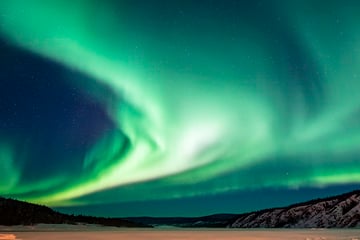
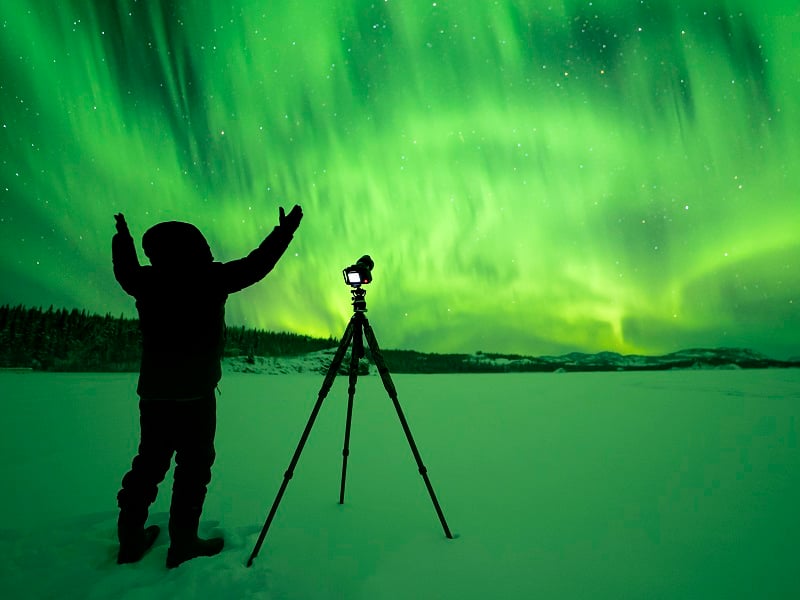
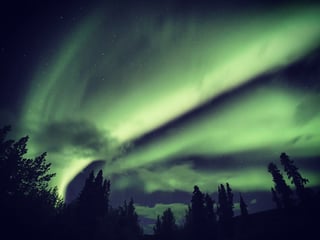
From September through to April, the long Yukon nights bring out the aurora borealis, and I still remember the first time I saw the sky genuinely ripple green above Whitehorse — it doesn't look like the photographs, it looks alive. No tour operator can promise you the lights will appear on any given night; nature doesn't work to an itinerary. What good operators can do — and what a well-planned winter trip should include — is get you to the right viewing spots, away from town light pollution, with someone who can talk you through the science and the Indigenous storytelling traditions around the aurora while you wait, wrapped up warm with a thermos in hand.
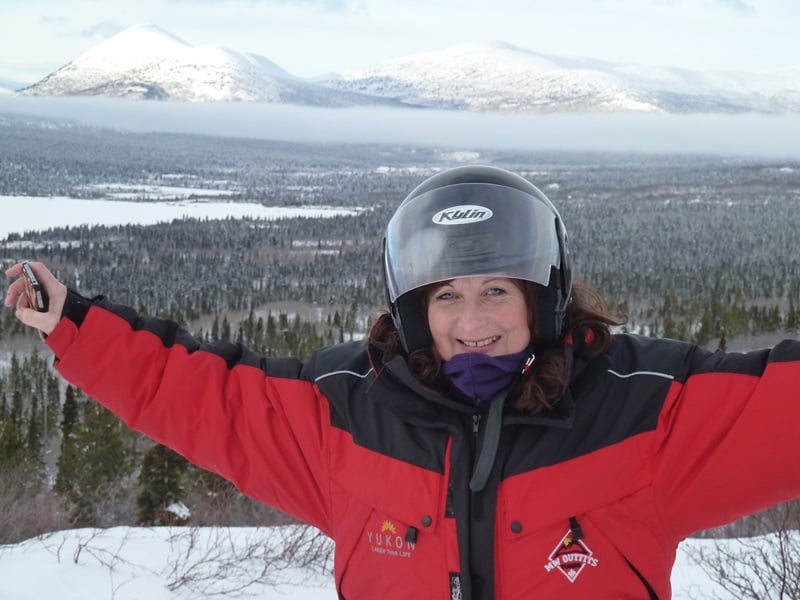
Winter here also turns the territory into a proper playground. I mushed a dog team through snow-muffled forest trails outside Whitehorse, listened to nothing but panting and sled runners on packed snow, and I also swapped the huskies for a snowmobile and crossed frozen lakes at speed with valleys opening up on either side. Both are available as day trips right from the edge of town, which makes winter more approachable than people expect.
Then there's the flip side: the midnight sun. Between May and August, Yukon daylight barely quits, and the territory transforms — wildflowers everywhere, migratory birds arriving by the million, rivers running high with meltwater. If you want warmth, hiking trails fully open and long, golden evenings that stretch past 11pm, this is your window. I'll say plainly: summer is the easier trip logistically, and it suits first-time visitors and families best. Winter is for those chasing something more elemental. Neither is objectively "better" — it depends entirely on what you're after, and that's exactly the kind of thing a good specialist will talk through before building your route.
Iconic Drives — Some of the Best Road Trips in North America
If you love driving, the Yukon might spoil you for anywhere else. I say that as someone who's driven a fair number of the world's celebrated routes, and the Yukon's network of highways — the Alaska Highway, the Top of the World Highway, the Klondike Highway, the Dempster Highway — genuinely stands among the best.
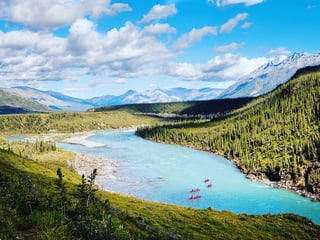
What makes them special isn't just scenery, though there's plenty of that: sweeping river valleys, sudden mountain walls, black spruce forest running to the horizon. It's the rhythm of the drive — long stretches where you might not see another vehicle for half an hour, punctuated by small historic communities where you can stop for pie and genuinely good coffee. The self-drive Yukon itineraries I've seen built by specialists map deliberately around these roads, with driving days kept realistic rather than ambitious, because the temptation up here is always to stop the car every ten minutes for a photo — and you should.
Discover Kluane National Park and Reserve
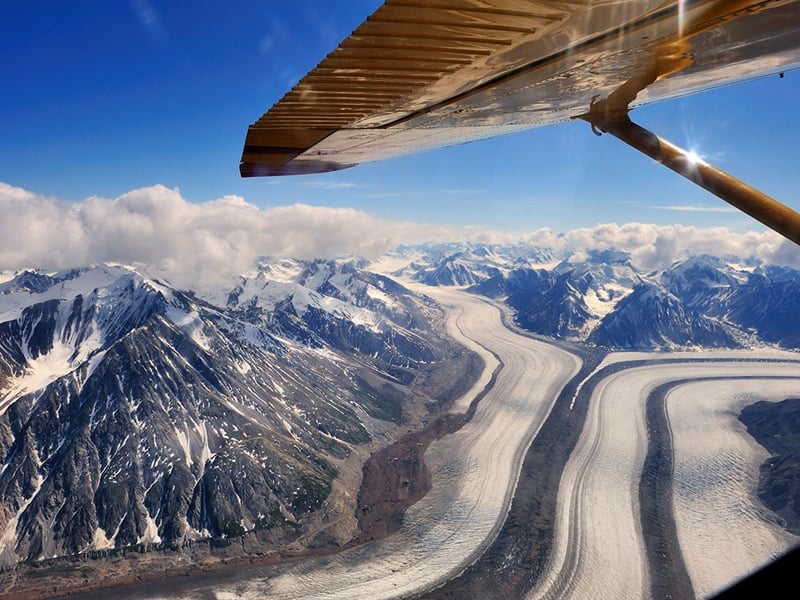
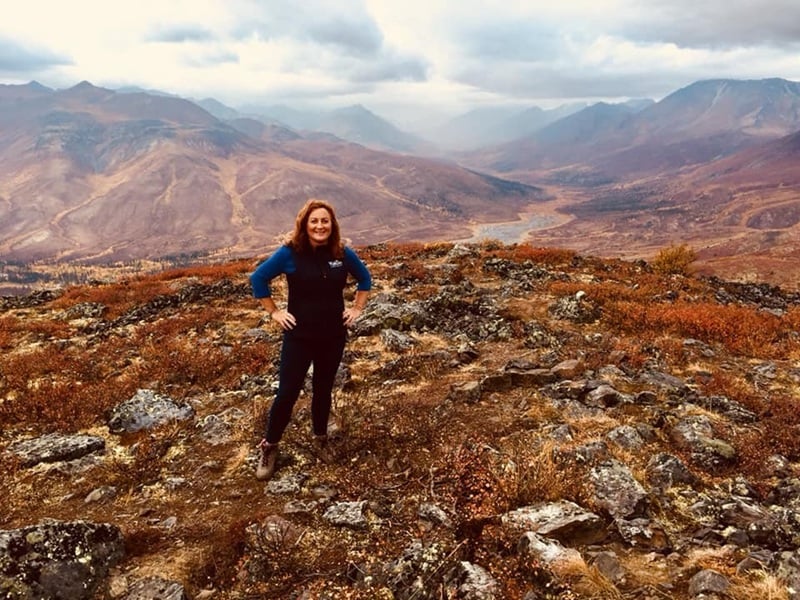
Kluane deserves its own chapter, honestly. This UNESCO World Heritage site holds the St. Elias Mountains, their icefields, glacial lakes, wild rivers and untouched forest — and inside its boundaries sits Canada's tallest peak, the largest non-polar glacier system on the continent, and some of the best chances anywhere in the Yukon to see bears, caribou, moose, wolves and foxes in the wild.
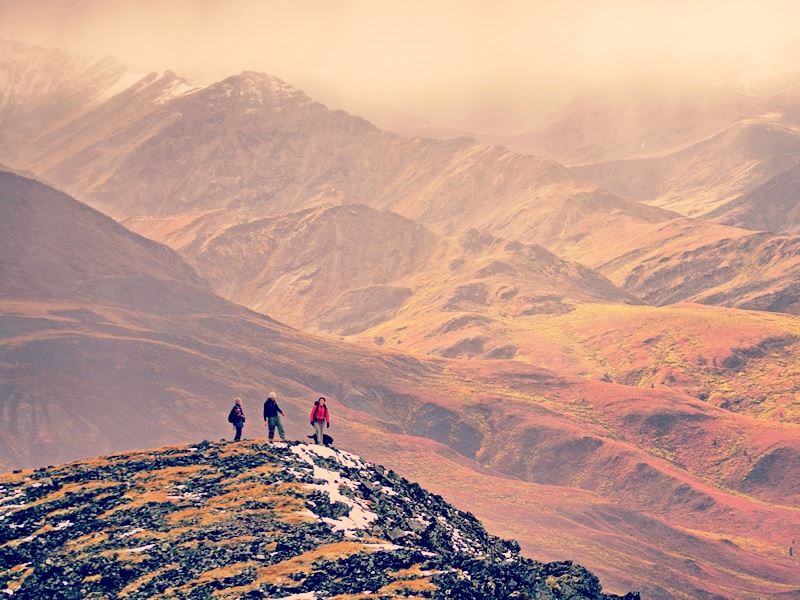
There are three ways to experience it, and I did all three on this trip, each for different reasons. A scenic flight gives you the only real sense of scale — from the air, the icefield stretches further than feels physically possible, and I'd genuinely call it one of the most humbling things I've done in Canada. Day hikes along the park's perimeter suit most visitors well; trails range from an easy hour along a river to a full day up through forest and alpine terrain, and you don't need mountaineering experience for most of them. Then there's backcountry trekking, for those who want to properly disappear into it — multi-day routes where you're carrying everything you need and sharing the landscape with Dall sheep, mountain goats, grizzly and black bears, ptarmigan, owls and moose. That last option isn't for everyone, and it's worth being upfront about that: it demands fitness, proper gear and genuine wilderness experience. If you want the spirit of it without the full commitment, I'd steer you toward a guided day hike with a local outfitter instead — you get the immersion with far less risk.
Bears and Other Wildlife
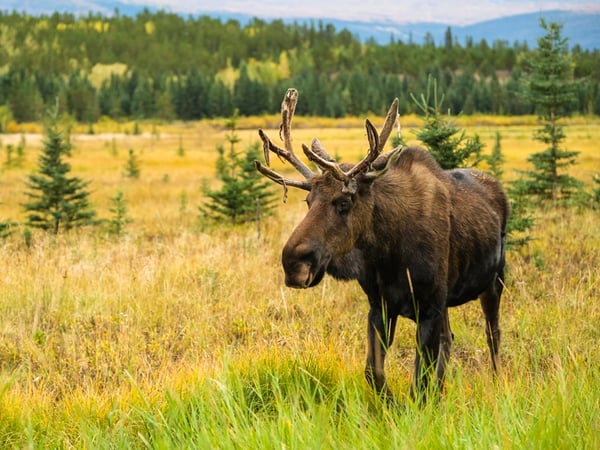
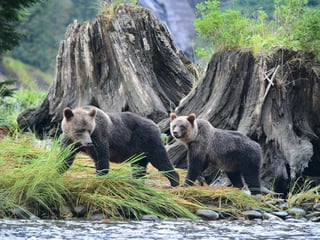
People often come to the Yukon specifically hoping to see a bear, and it's one of the few places in the world where that's a realistic expectation rather than a stretch. All three North American bear species live here — black, grizzly and polar — though your odds differ significantly depending on which one you're hoping for. Black bears are the ones you're most likely to spot, generally in forested terrain. Grizzlies range more widely, from southern forests right up across the tundra to the Arctic coast, and the Yukon holds around 30 percent of all of Canada's grizzly population — one of the largest and most stable populations anywhere in the country. The Alsek River corridor within Kluane has been specifically designated a preservation area because of it. Polar bears are a different story entirely; you'll only find them far north, around the North Slope and Herschel Island, which sits well beyond most standard itineraries and needs specialist arranging.
On this trip I spotted bears from a canoe, from a hiking trail at a very respectful distance, and once, memorably, from the window of a small aircraft. None of it was staged or guaranteed — that's the honest truth of wildlife travel here. The best any operator can do is put you in the right habitats, at the right time of year, with guides who know how to read the landscape and keep everyone safe.
Heritage and Culture
It would be a mistake to treat the Yukon as wilderness alone, because its human story is just as rich. The territory's 46,000 residents include a genuinely disproportionate concentration of working artists, and that creative energy shows in the galleries, museums and cultural centres scattered across even small communities.
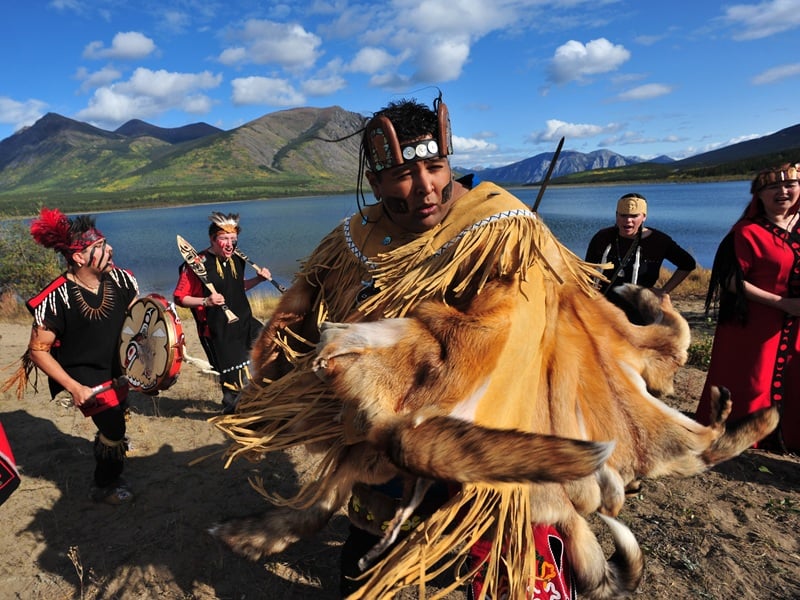
The Yukon is home to 14 distinct First Nations, each with its own traditions and artistic heritage, and some of the most meaningful hours I spent on this trip were with a traditional carver in his studio, or listening to an elder talk about the land in a way that reframed how I saw it entirely — not as untouched wilderness, but as a homeland with thousands of years of continuous history. I'd urge anyone planning a Yukon trip to build in genuine First Nations-led experiences wherever possible, rather than treating culture as an afterthought to the scenery.
The Klondike Gold Rush
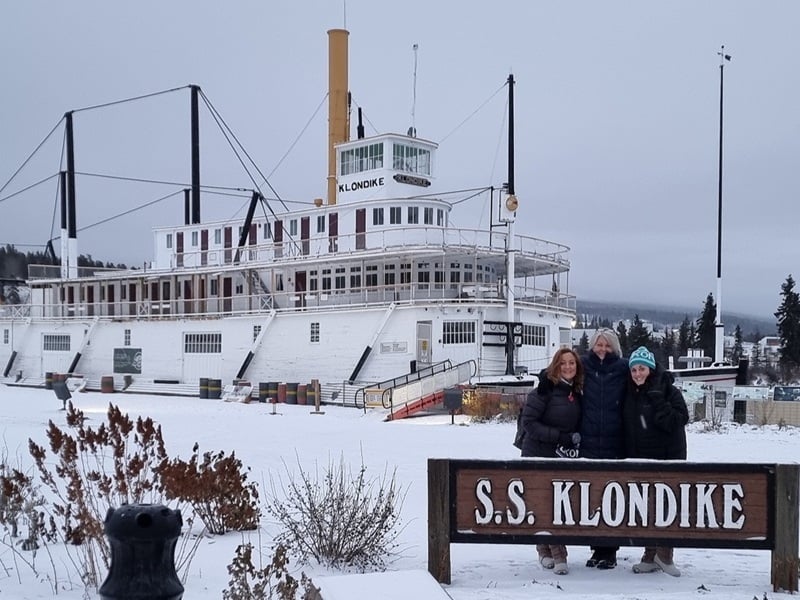
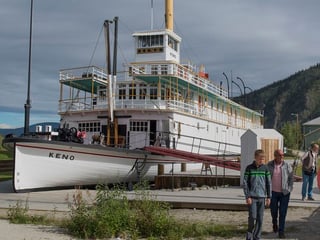
And then there's Dawson City, which I'd argue is one of the most atmospheric small towns in Canada. The Klondike Gold Rush of 1898 — immortalised by Jack London's fiction and Robert Service's poetry — put this stretch of the Yukon on the world map, and Dawson still leans fully into that history. Walking its boardwalks past restored gold rush-era buildings, with costumed interpreters going about their business, has a theatrical quality that somehow doesn't feel gimmicky; it feels earned. I'd recommend trying the notorious Sourtoe Cocktail at least once (you'll understand when you see it), catching a show at Diamond Tooth Gerties, and giving yourself proper time at the tables if that's your thing.
But Dawson's story runs deeper than gold. The Tr'ondëk-Klondike UNESCO World Heritage site tells the parallel history of the Tr'ondëk Hwëch'in First Nation through the rise and peak of the gold rush years, between 1874 and 1908, and it's a chapter of Yukon history that deserves equal attention alongside the prospectors and dance halls. Dawson also makes a natural base for heading further north — the Dempster Highway runs from here toward Tombstone Territorial Park and the Arctic Circle, while the Top of the World Highway crosses the Yukon River toward Alaska.
Frequently Asked Questions
When is the best time to visit the Yukon? It really depends what you're after. I'd point summer travellers, families, and first-timers toward May to August, when the midnight sun keeps daylight going almost round the clock and hiking trails are fully open. If you're chasing the Northern Lights, though, you'll want September to April, and ideally a clear, cold night away from Whitehorse's lights. There's no single "right" season — just the right one for what you want to experience.
Is the Yukon a good destination for first-time visitors to Canada? Yes, with the right planning. It's more remote and distances are far greater than in places like Ontario or British Columbia, so I wouldn't recommend simply winging it. But with a well-built itinerary — the right mix of driving days, guided experiences and realistic pacing — it's absolutely manageable for a first trip, and genuinely one of the most rewarding.
Will I definitely see the Northern Lights or bears on my trip? Honestly, no operator can promise either, and I'd be wary of anyone who does. What a good specialist can do is put you in the best possible position — the right viewing spots, the right habitats, the right time of year, with guides who know exactly where to look. On my trip I was lucky with both, but nature always has the final say.
Plan your holiday to the Yukon - click here

Sign up to our newsletter
Be the first to know about our exclusive offers and holiday inspiration by email.